

What is the difference between a single - busbar and a double - busbar high - voltage ring main unit?
Jun 18, 2026
Leave a message
Hey there! As a supplier of High-Voltage Ring Main Units, I often get asked about the differences between single-busbar and double-busbar high-voltage ring main units. So, I thought I'd break it down for you in this blog post.
Let's start with the single-busbar high-voltage ring main unit. It's a pretty straightforward setup. In a single-busbar system, there's only one main busbar that distributes power to all the connected components. This means that all the electrical equipment, like the High-Voltage Outgoing Cabinet and High-Voltage Incoming Cabinet, is connected to this single busbar.
One of the main advantages of a single-busbar system is its simplicity. It's easier to install and maintain because there's less complexity in the electrical connections. This also makes it more cost-effective, which is great for smaller projects or applications where budget is a concern.
However, the single-busbar system does have its limitations. If there's a fault on the busbar, the entire system can be affected. For example, if there's a short circuit on the busbar, all the connected equipment will lose power until the fault is repaired. This can lead to significant downtime, which might not be acceptable in some critical applications.
Now, let's move on to the double-busbar high-voltage ring main unit. As the name suggests, this system has two main busbars. The electrical equipment can be connected to either busbar, and there are usually switching devices that allow for the transfer of power between the two busbars.
The biggest advantage of a double-busbar system is its redundancy. If there's a fault on one busbar, the system can quickly switch to the other busbar, minimizing downtime. This makes it ideal for applications where continuous power supply is crucial, such as hospitals, data centers, and industrial facilities.
Another benefit is the flexibility it offers. With two busbars, it's easier to perform maintenance on one busbar while the other busbar continues to supply power to the connected equipment. This reduces the impact on the overall operation of the system.
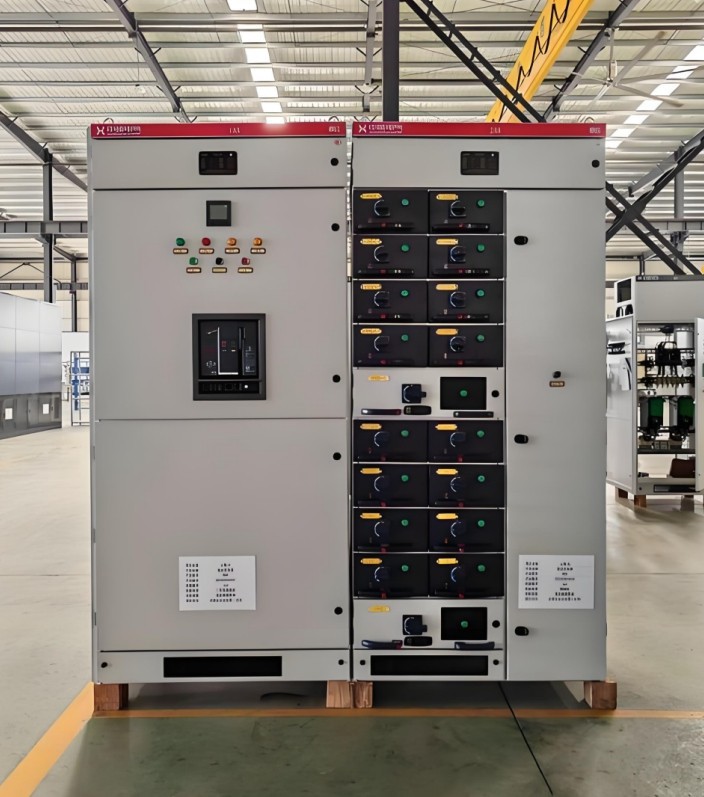
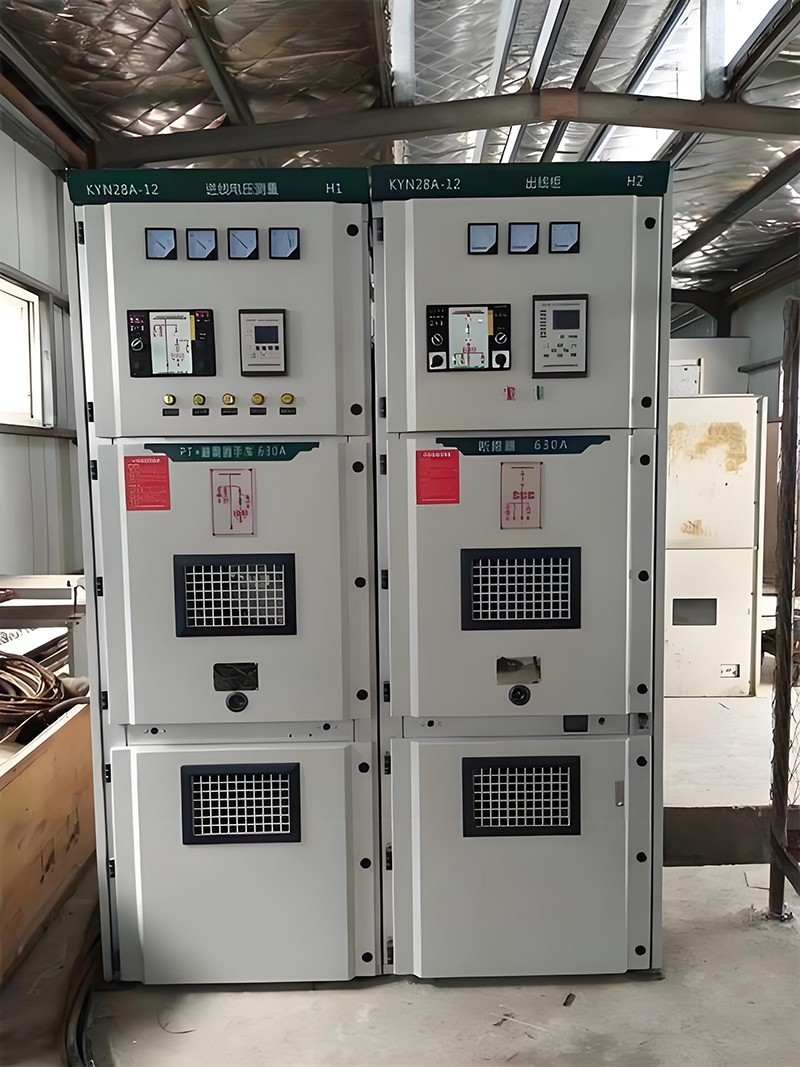
However, the double-busbar system is more complex and expensive than the single-busbar system. It requires more equipment, such as additional switching devices and protective relays, and the installation and maintenance are more challenging.
When it comes to choosing between a single-busbar and a double-busbar high-voltage ring main unit, it really depends on your specific requirements. If you're working on a small project with a limited budget and downtime is not a major concern, a single-busbar system might be the way to go. On the other hand, if you need a reliable and continuous power supply for a critical application, a double-busbar system is probably a better choice.
As a supplier of High-Voltage Ring Main Units, we have a wide range of options to meet your needs. Whether you're looking for a single-busbar or a double-busbar system, we can provide you with high-quality products and professional advice.
If you're interested in learning more about our high-voltage ring main units or have any questions about the differences between single-busbar and double-busbar systems, feel free to reach out to us. We're always happy to help you make the right decision for your project.
References:
- Electrical Power Systems Engineering textbooks
- Industry standards and guidelines for high-voltage distribution systems
Send Inquiry