

What is the grounding requirement for a High - Voltage Metering Cabinet?
Jul 27, 2026
Leave a message
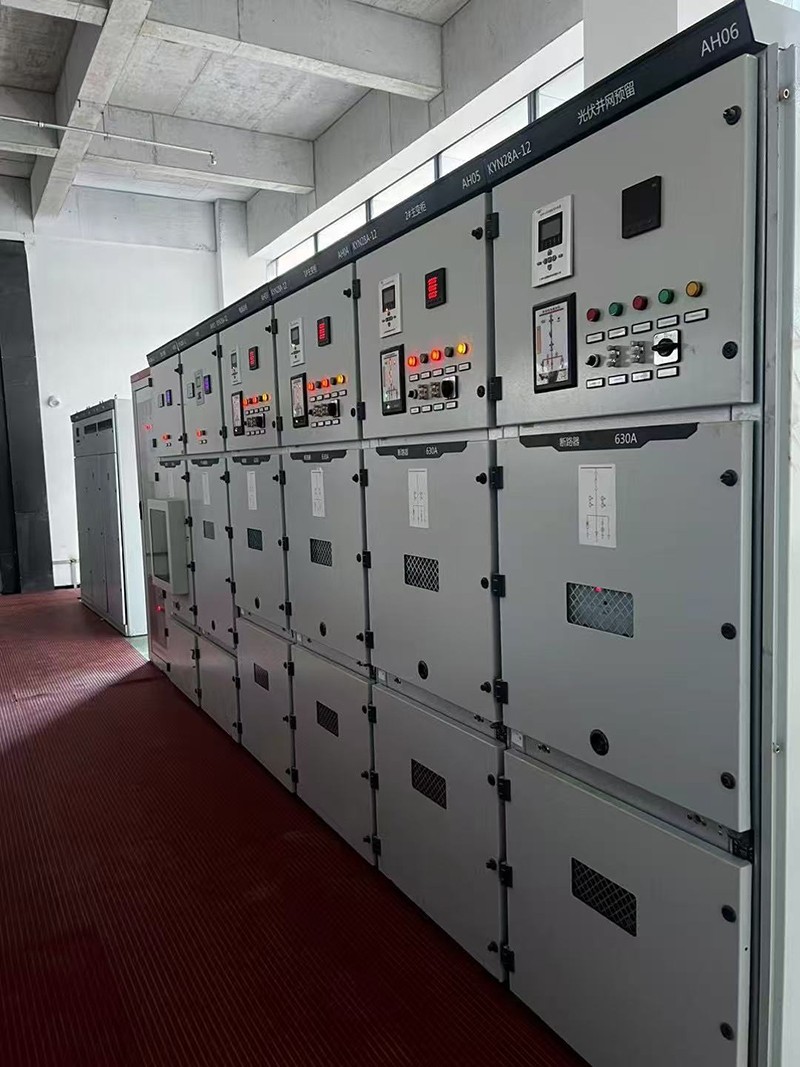
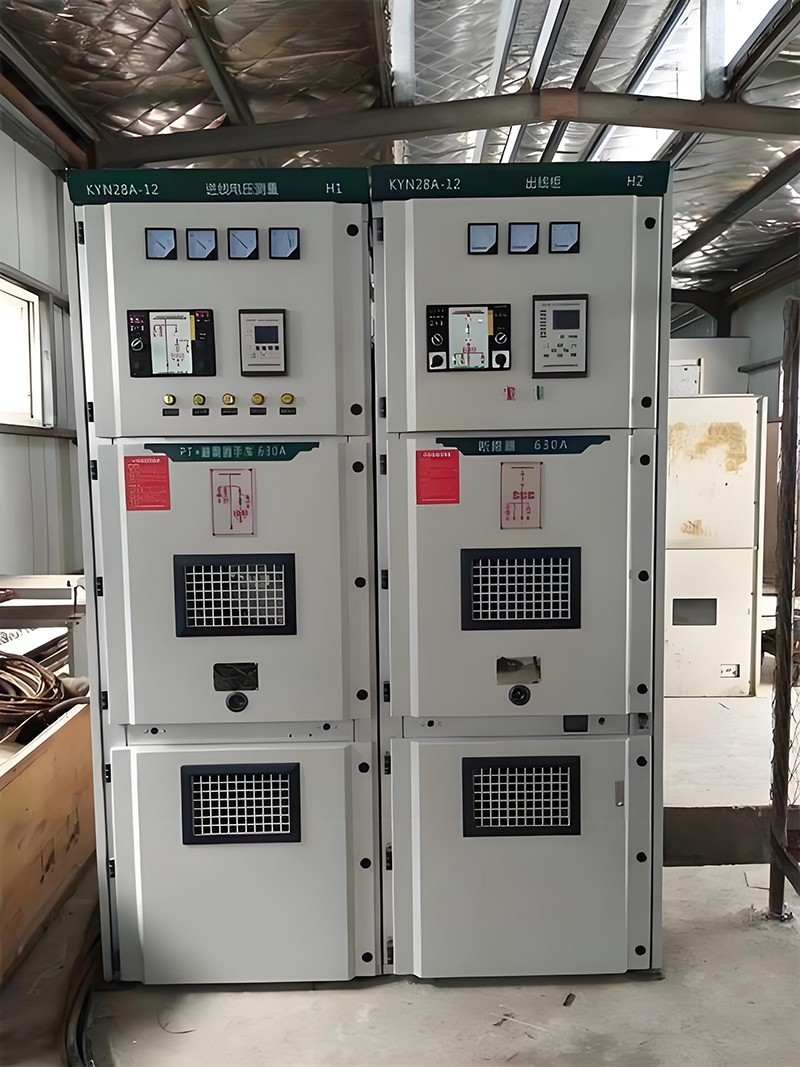
Hey there! As a supplier of High-Voltage Metering Cabinets, I often get asked about the grounding requirements for these cabinets. So, I thought I'd take a moment to share some insights on this crucial topic.
First off, let's understand why grounding is so important for a High-Voltage Metering Cabinet. Grounding serves multiple purposes. It provides a safe path for electrical currents in case of a fault, protects equipment from damage, and most importantly, ensures the safety of personnel working around the cabinet.
The Basics of Grounding
Grounding is essentially the process of connecting an electrical system to the earth. In the case of a High-Voltage Metering Cabinet, this means creating a low-resistance path between the cabinet and the ground. This path allows any stray electrical currents, such as those caused by a short circuit or lightning strike, to flow safely into the ground, rather than posing a risk to the cabinet or the people nearby.
The grounding system for a High-Voltage Metering Cabinet typically consists of a grounding electrode, such as a metal rod driven into the ground, and a grounding conductor, which connects the cabinet to the electrode. The grounding conductor should be made of a material with low resistance, such as copper, to ensure efficient current flow.
Grounding Requirements
There are several key grounding requirements that must be met for a High-Voltage Metering Cabinet.
1. Resistance
The resistance of the grounding system is a critical factor. The grounding resistance should be as low as possible to ensure that fault currents can flow easily into the ground. In general, the grounding resistance for a High-Voltage Metering Cabinet should be less than 4 ohms. However, in some cases, depending on the specific requirements and local regulations, a lower resistance may be required.
2. Connection
The connection between the cabinet and the grounding system must be secure and reliable. All electrical connections should be properly tightened and protected against corrosion. Loose or corroded connections can increase the resistance of the grounding system, which can lead to ineffective grounding and potential safety hazards.
3. Bonding
Bonding is the process of connecting all metallic parts of the cabinet together to ensure electrical continuity. This includes the cabinet enclosure, electrical components, and any other metal parts. Bonding helps to prevent the buildup of static electricity and ensures that all parts of the cabinet are at the same electrical potential.
4. Grounding of Electrical Components
All electrical components within the High-Voltage Metering Cabinet, such as transformers, meters, and relays, must also be properly grounded. This helps to protect these components from damage and ensures their proper operation.
Importance of Compliance
Compliance with grounding requirements is not only important for safety but also for the proper functioning of the High-Voltage Metering Cabinet. Non-compliance can lead to a variety of problems, including electrical shocks, equipment damage, and inaccurate metering.
In addition, many local and national regulations require that High-Voltage Metering Cabinets be properly grounded. Failure to comply with these regulations can result in fines and legal issues.
Our High-Voltage Metering Cabinets
At our company, we take grounding requirements very seriously. Our High-Voltage Metering Cabinet is designed and manufactured to meet all relevant grounding standards and regulations.
We use high-quality materials and advanced manufacturing techniques to ensure that our cabinets have a low grounding resistance and reliable connections. Our cabinets also feature proper bonding and grounding of all electrical components, providing maximum protection and performance.
In addition to our High-Voltage Metering Cabinets, we also offer High-Voltage Incoming Cabinet and High-Voltage Outgoing Cabinet solutions. These cabinets are also designed with proper grounding in mind, ensuring the safety and reliability of your electrical system.
Conclusion
In conclusion, grounding is a critical aspect of High-Voltage Metering Cabinet design and operation. By understanding the grounding requirements and ensuring compliance, you can protect your equipment, your personnel, and your electrical system.
If you're in the market for a High-Voltage Metering Cabinet or other high-voltage distribution products, we'd love to hear from you. Our team of experts can provide you with more information about our products and help you choose the right solution for your needs. Contact us today to start the conversation!
References
- Electrical Safety Standards and Regulations
- High-Voltage Metering Cabinet Design Guidelines
Send Inquiry