

What is the difference between single - phase and three - phase distribution in a distribution cabinet?
Jul 15, 2026
Leave a message
Hey there! As a supplier of distribution cabinets, I often get asked about the difference between single - phase and three - phase distribution in a distribution cabinet. It's a topic that can be a bit confusing, especially if you're not too familiar with electrical systems. So, let's break it down in a simple way.
Single - Phase Distribution
First off, let's talk about single - phase distribution. In a single - phase system, there's one alternating current (AC) waveform. It's like having a single stream of electrical power flowing. Most homes and small businesses use single - phase power because it's sufficient for their relatively lower power needs.
The single - phase power typically has two wires: a live wire and a neutral wire. The live wire carries the current, and the neutral wire provides a return path for the current. Sometimes, there's also a ground wire for safety purposes.
In a distribution cabinet for single - phase systems, the components are usually simpler. You'll find circuit breakers, fuses, and meters. The circuit breakers are there to protect the electrical circuits from overloading. If there's too much current flowing through a circuit, the breaker will trip and cut off the power. Fuses work in a similar way, but they're a one - time use device. Once a fuse blows, you have to replace it.
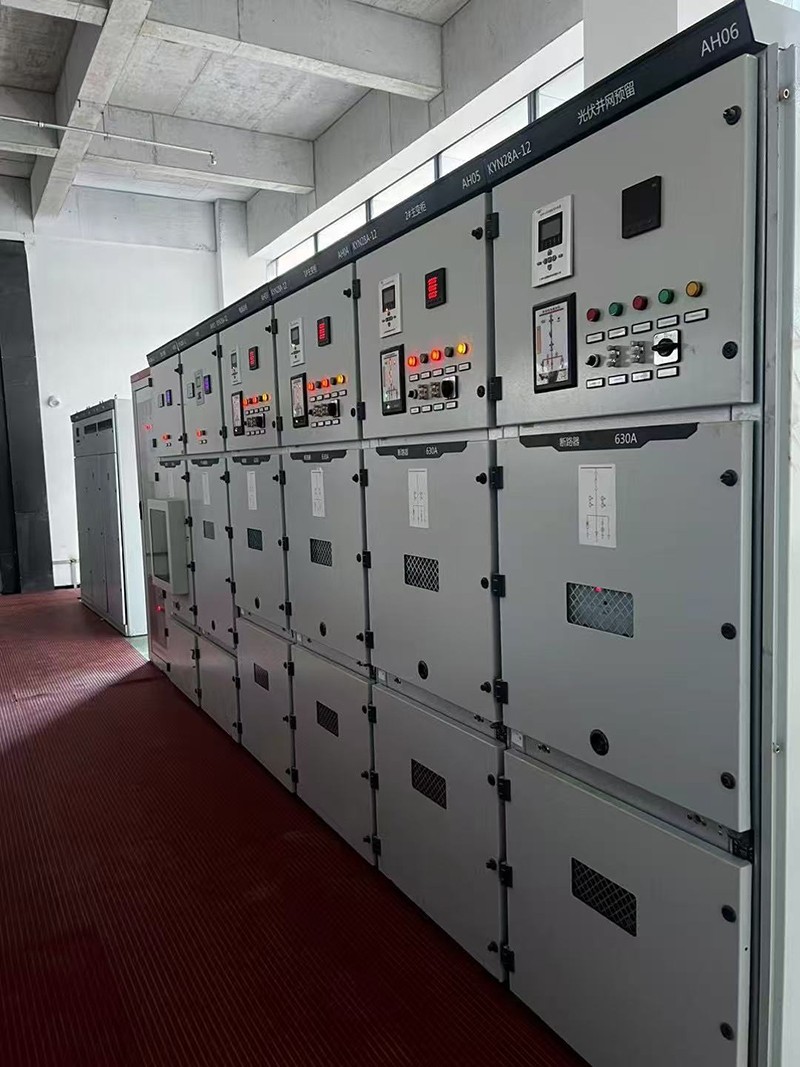
The advantage of single - phase distribution is its simplicity. It's easy to install and maintain, and it's cost - effective for small loads. For example, if you're powering a small office with just a few computers, lights, and a printer, a single - phase distribution cabinet would do the job just fine. You can check out our Low - Voltage Distribution Cabinet for single - phase applications.
However, single - phase power has its limitations. It can't handle large amounts of power. If you have a big industrial machine or a large commercial building with high - power equipment, a single - phase system would be overwhelmed.
Three - Phase Distribution
Now, let's move on to three - phase distribution. A three - phase system has three alternating current waveforms that are out of phase with each other by 120 degrees. It's like having three separate streams of power working together.
Three - phase power is commonly used in industrial and large commercial settings. It can deliver a lot more power compared to single - phase. In a three - phase distribution cabinet, there are three live wires, a neutral wire (although in some cases, it may not be needed), and a ground wire.
The components in a three - phase distribution cabinet are more complex. There are usually more circuit breakers and relays to handle the higher power levels. The three - phase system allows for more efficient power transfer and better motor performance. Motors running on three - phase power are more powerful, more efficient, and have a smoother operation compared to single - phase motors.
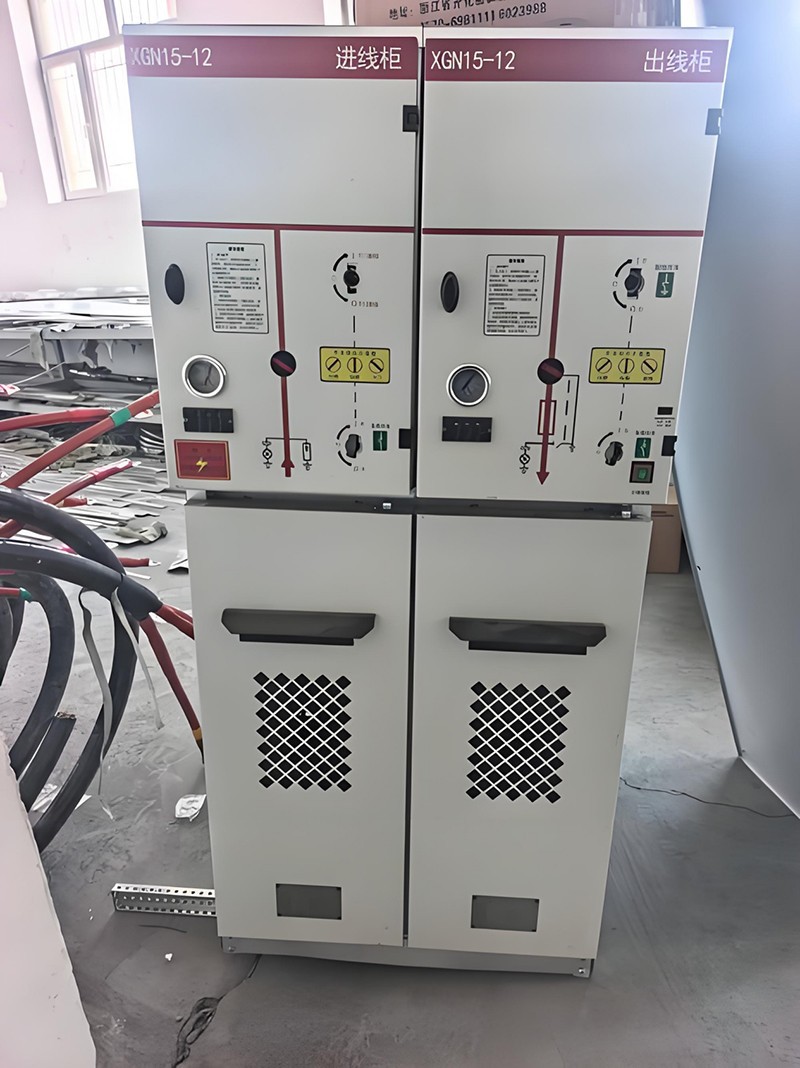
For example, in a factory with large machinery like conveyor belts, pumps, and compressors, a three - phase distribution system is essential. These machines require a large amount of power to operate, and a three - phase system can provide that. You can take a look at our High - Voltage Outgoing Cabinet for three - phase high - power applications.
One of the main advantages of three - phase power is its ability to handle large loads. It also has a more balanced power distribution, which reduces the stress on the electrical system. But it comes at a higher cost. The installation and maintenance of a three - phase distribution cabinet are more complex and expensive compared to a single - phase one.
Key Differences
Let's summarize the key differences between single - phase and three - phase distribution in a distribution cabinet:
Power Capacity
Single - phase systems are suitable for small loads, while three - phase systems are designed for large loads. If you have a small shop or a residential property, single - phase is probably enough. But for a big factory or a large commercial complex, you'll need three - phase power.
Wiring
Single - phase has two or three wires (live, neutral, and sometimes ground), while three - phase has three or four wires (three live, neutral, and ground). The wiring in a three - phase system is more complex and requires more careful installation.
Equipment Complexity
The components in a single - phase distribution cabinet are simpler, with fewer circuit breakers and relays. In a three - phase cabinet, there are more components to handle the higher power and more complex electrical configuration.
Cost
Single - phase systems are generally cheaper to install and maintain. Three - phase systems are more expensive due to the higher - power equipment and more complex wiring.
Which One Should You Choose?
The choice between single - phase and three - phase distribution depends on your power requirements. If you're running a small business or a home, a single - phase distribution cabinet like our Low - Voltage Power Distribution Box might be the right choice. It's simple, cost - effective, and easy to manage.
On the other hand, if you're in an industrial or large commercial setting with high - power equipment, a three - phase distribution cabinet is a must. It can handle the heavy loads and ensure efficient power distribution.
Contact Us for Your Distribution Cabinet Needs
If you're still not sure which type of distribution cabinet is right for you, or if you have any questions about single - phase or three - phase distribution, don't hesitate to get in touch. We're here to help you make the best decision for your electrical system. Whether you need a single - phase cabinet for a small project or a three - phase cabinet for a large - scale operation, we have the expertise and the products to meet your needs.
References
- Electrical Engineering textbooks
- Industry standards and guidelines for electrical distribution systems
Send Inquiry