

What are the power quality issues related to a high - voltage distribution box?
Sep 17, 2026
Leave a message
Power quality is a critical aspect in the operation of electrical systems, especially when it comes to high - voltage distribution boxes. As a high - voltage distribution box supplier, I have witnessed firsthand the various power quality issues that can arise in these systems. In this blog, I will delve into the key power quality issues related to high - voltage distribution boxes and explain how they can impact the overall performance of electrical networks.
1. Voltage Fluctuations
Voltage fluctuations are one of the most common power quality issues in high - voltage distribution boxes. These fluctuations can occur due to a variety of reasons, such as sudden changes in load demand, faults in the power grid, or problems with the generation equipment.

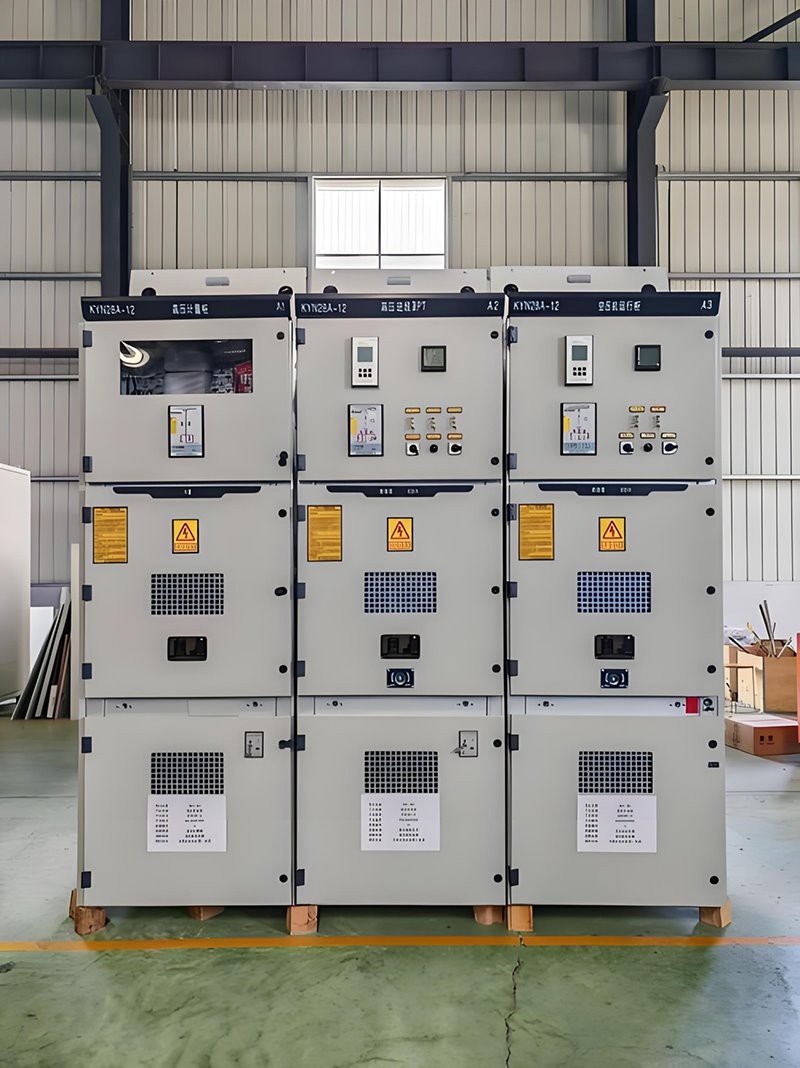
When the voltage in a high - voltage distribution box fluctuates, it can have a significant impact on the connected electrical equipment. For example, if the voltage drops below the rated value, it can cause motors to run inefficiently, leading to increased energy consumption and potential damage to the motor windings. On the other hand, if the voltage rises above the rated value, it can cause insulation breakdown in electrical equipment, leading to short - circuits and potential fire hazards.
To mitigate voltage fluctuations, high - voltage distribution boxes are often equipped with voltage regulators. These regulators can automatically adjust the output voltage to maintain a stable level, even when there are changes in the input voltage or load demand. Additionally, proper maintenance and monitoring of the distribution box can help detect and address voltage fluctuations before they cause significant damage.
2. Harmonics
Harmonics are another major power quality issue in high - voltage distribution boxes. Harmonics are unwanted frequencies that are multiples of the fundamental frequency (usually 50 or 60 Hz). They are generated by non - linear loads, such as variable - speed drives, rectifiers, and electronic ballasts.
When harmonics are present in the electrical system, they can cause a variety of problems. For example, they can increase the heating of transformers, conductors, and other electrical equipment, leading to reduced efficiency and premature failure. Harmonics can also cause interference with communication systems and other sensitive electronic equipment.
To reduce the impact of harmonics, high - voltage distribution boxes can be equipped with harmonic filters. These filters are designed to block or reduce the flow of harmonic currents, thereby improving the power quality of the electrical system. Additionally, proper load management and the use of linear loads can help minimize the generation of harmonics.
3. Power Factor
Power factor is a measure of how effectively electrical power is being used in a system. In a high - voltage distribution box, a low power factor can indicate that a significant amount of electrical energy is being wasted. This is because a low power factor means that the current and voltage are not in phase, resulting in reactive power.
Reactive power does not perform any useful work but instead causes additional losses in the electrical system. It can also lead to increased voltage drops and reduced efficiency. To improve the power factor, high - voltage distribution boxes can be equipped with power factor correction capacitors. These capacitors can compensate for the reactive power, thereby improving the overall power factor of the system.
4. Voltage Sags and Swells
Voltage sags and swells are short - term changes in the voltage level. A voltage sag is a temporary reduction in voltage, usually lasting from a few milliseconds to a few seconds. A voltage swell, on the other hand, is a temporary increase in voltage.
Voltage sags and swells can be caused by various factors, such as lightning strikes, short - circuits, or the starting of large motors. These events can disrupt the normal operation of electrical equipment and cause data loss or equipment damage.
To protect against voltage sags and swells, high - voltage distribution boxes can be equipped with voltage sag/swell protection devices. These devices can detect voltage changes and take appropriate action, such as switching to an alternative power source or adjusting the voltage level.
5. Transients
Transients are short - duration, high - amplitude voltage or current spikes that can occur in the electrical system. They are often caused by lightning strikes, switching operations, or faults in the power grid.
Transients can cause significant damage to electrical equipment, especially sensitive electronic components. They can also disrupt the normal operation of the electrical system and cause data loss or system failures.
To protect against transients, high - voltage distribution boxes can be equipped with surge protectors. These devices can divert the excess energy from transients to the ground, thereby protecting the connected electrical equipment.
Our High - Voltage Distribution Box Solutions
As a high - voltage distribution box supplier, we offer a wide range of products to address these power quality issues. Our High - Voltage Incoming Cabinet is designed to provide a reliable and efficient connection between the power grid and the distribution system. It is equipped with advanced protection and monitoring devices to ensure the safety and stability of the electrical system.
Our High - Voltage Ring Main Unit is a compact and reliable solution for medium - voltage distribution networks. It offers excellent protection against short - circuits and overloads, and can be easily integrated into existing electrical systems.
Our High - Voltage Outgoing Cabinet is designed to distribute high - voltage power to various loads. It is equipped with advanced control and protection devices to ensure the efficient and safe operation of the electrical system.
Conclusion
Power quality issues in high - voltage distribution boxes can have a significant impact on the performance and reliability of electrical systems. By understanding these issues and implementing appropriate solutions, we can ensure the safe and efficient operation of electrical networks. As a high - voltage distribution box supplier, we are committed to providing high - quality products and solutions to address these power quality issues. If you are interested in our products or have any questions about power quality, please feel free to contact us for procurement and further discussions.
References
- IEEE Standard 1159 - 2019, "IEEE Recommended Practice for Monitoring Electric Power Quality"
- International Electrotechnical Commission (IEC) standards related to high - voltage distribution equipment and power quality
- Textbooks on power systems and electrical engineering, such as "Power System Analysis and Design" by J. Duncan Glover, Mulukutla S. Sarma, and Thomas J. Overbye.
Send Inquiry