

What are the grounding methods for a functional distribution box?
Nov 17, 2026
Leave a message
Hey there! As a supplier of functional distribution boxes, I often get asked about the grounding methods for these essential electrical components. Grounding is a crucial aspect of electrical safety, and it plays a vital role in protecting both people and equipment from electrical hazards. In this blog post, I'll share some of the common grounding methods for functional distribution boxes and why they're so important.
First off, let's talk about why grounding is necessary. A functional distribution box is responsible for distributing electrical power to various circuits and devices. When an electrical fault occurs, such as a short circuit or a ground fault, the excess current needs a safe path to flow to the ground. Without proper grounding, this current can cause electrical shocks, fires, or damage to the equipment. Grounding provides a low - resistance path for the fault current, ensuring that it is safely diverted away from people and sensitive equipment.
1. Equipment Grounding
One of the most basic grounding methods is equipment grounding. This involves connecting the metal enclosure of the functional distribution box to the ground. The enclosure acts as a shield, protecting the internal electrical components from external interference and providing a safe path for fault currents.
To achieve equipment grounding, a grounding conductor is typically used. This conductor is connected to the grounding terminal of the distribution box and then to a grounding electrode, such as a ground rod or a grounding plate. The grounding electrode is buried in the ground, where it can dissipate the fault current into the earth.
For example, in a typical installation, a copper grounding conductor is connected to the green grounding screw inside the distribution box. This conductor is then routed to a ground rod that is driven at least 8 feet into the ground. The connection between the conductor and the ground rod should be tight and secure to ensure a good electrical connection.
2. System Grounding
System grounding is another important grounding method. It involves grounding the neutral point of the electrical system. In a three - phase electrical system, the neutral point is often grounded to provide a reference voltage and to stabilize the system.
When the neutral point is grounded, it helps to prevent over - voltage conditions and reduces the risk of electrical shock. In the event of a ground fault, the fault current can flow through the grounded neutral, allowing protective devices such as circuit breakers to trip and isolate the fault.
In a functional distribution box, system grounding is usually achieved by connecting the neutral bus bar to the grounding system. This connection ensures that the neutral point of the electrical system is at the same potential as the ground.
3. Bonding
Bonding is closely related to grounding and is an important part of the overall grounding system. Bonding involves connecting all metallic parts of the electrical installation together to create an equipotential plane. This helps to prevent the build - up of static electricity and ensures that all metallic parts are at the same electrical potential.
In a functional distribution box, bonding is typically done by connecting the metal enclosure, the grounding bus bar, and any other metallic components together using bonding conductors. These conductors are usually made of copper or aluminum and are sized according to the electrical code requirements.
For instance, if you have a distribution box with multiple sub - panels, you need to bond all the enclosures together to create a continuous electrical path. This helps to prevent electrical shocks and reduces the risk of fire in case of a fault.
4. Grounding for Different Types of Functional Distribution Boxes
Now, let's take a look at how grounding methods may vary depending on the type of functional distribution box.
Intelligent Distribution Box
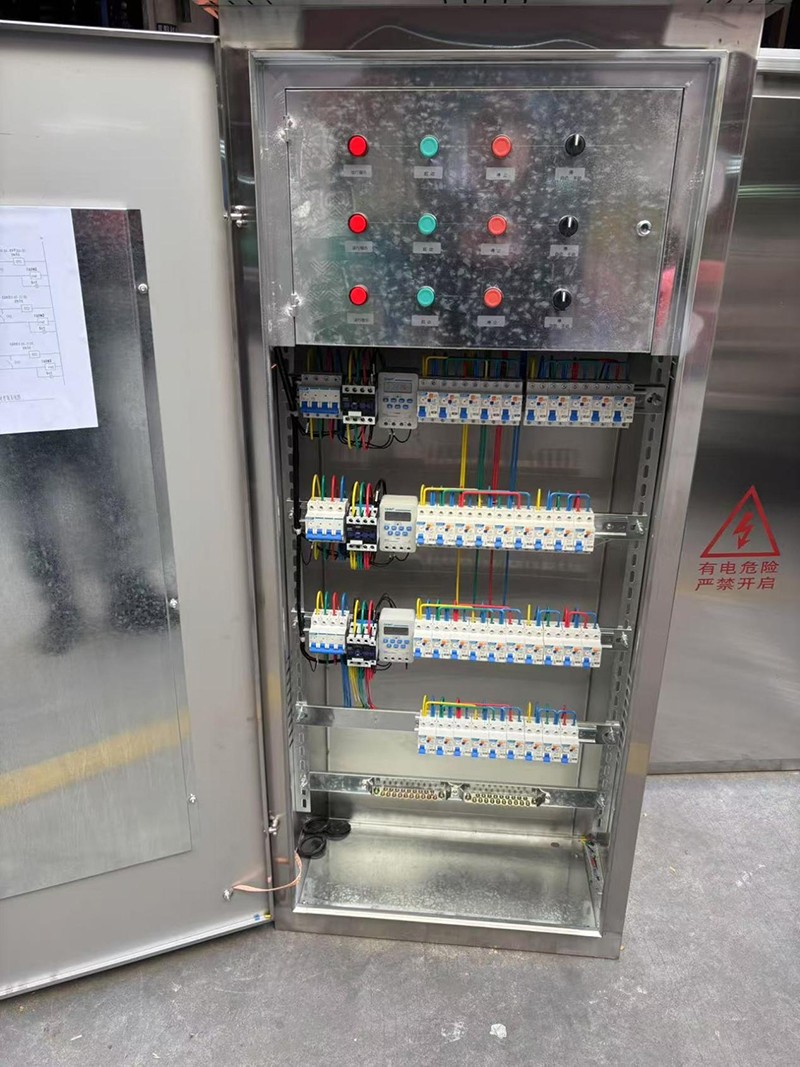
An Intelligent Distribution Box is equipped with advanced monitoring and control features. In addition to the standard grounding methods, these boxes may require additional grounding for their electronic components.
The electronic sensors and communication modules in an intelligent distribution box are sensitive to electrical noise and interference. To ensure proper operation, these components need to be grounded separately from the main electrical system. This can be achieved by using a dedicated grounding conductor for the electronic section of the box.
Outdoor Distribution Panel
An Outdoor Distribution Panel is exposed to harsh environmental conditions, such as moisture, rain, and lightning. Therefore, proper grounding is even more critical for these panels.
In addition to equipment grounding and system grounding, outdoor distribution panels may require additional lightning protection. This can be achieved by installing a lightning rod or a surge protection device. The lightning rod is connected to the grounding system, and it helps to divert the lightning strike safely to the ground.
Metering Distribution Box
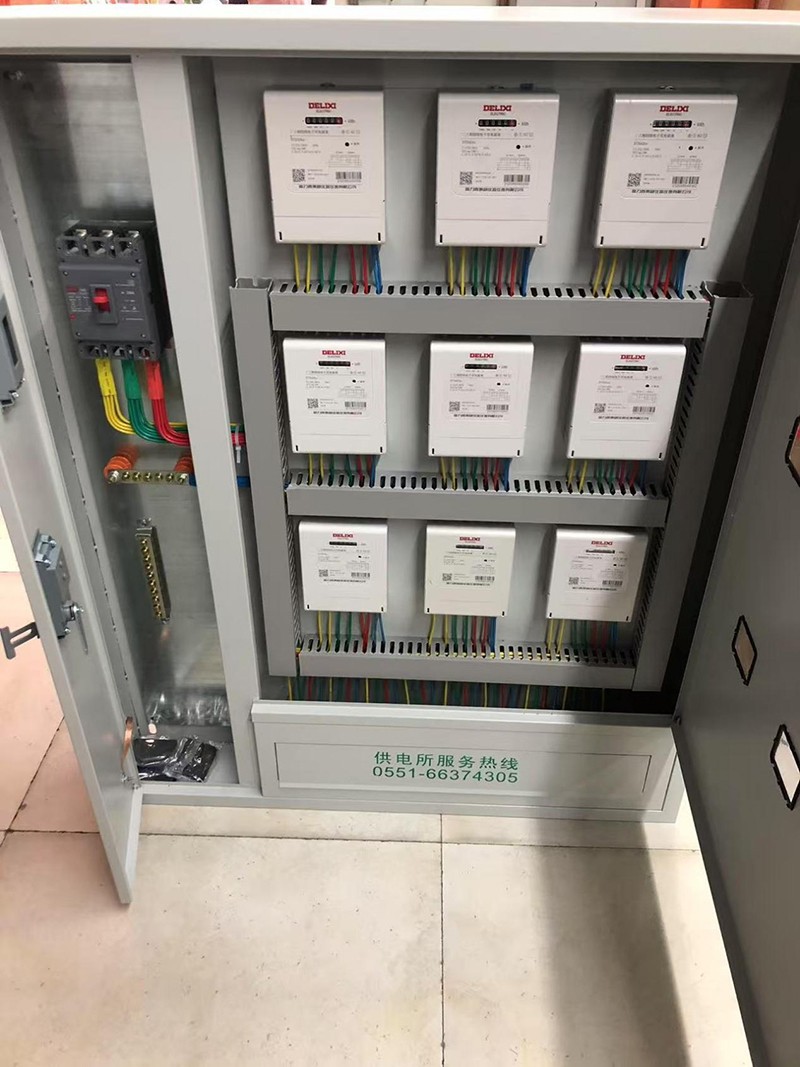
A Metering Distribution Box is used to measure the electrical consumption of a building or a facility. Grounding in a metering distribution box is essential to ensure accurate metering and to protect the metering equipment.
The metering components, such as the current transformers and the voltage transformers, need to be properly grounded. This helps to prevent errors in the metering readings and protects the equipment from electrical surges.
5. Importance of Following Electrical Codes
When it comes to grounding functional distribution boxes, it's crucial to follow the local electrical codes and standards. These codes are designed to ensure the safety of electrical installations and to prevent electrical accidents.
Electrical codes specify the requirements for grounding conductors, grounding electrodes, and bonding. They also provide guidelines on the installation and maintenance of grounding systems. By following these codes, you can ensure that your functional distribution boxes are properly grounded and that they meet the safety requirements.
6. Maintenance of Grounding Systems
Proper maintenance of the grounding system is also important. Over time, the grounding conductors and electrodes can corrode or become loose, which can affect the effectiveness of the grounding system.
Regular inspections should be carried out to check the condition of the grounding conductors, electrodes, and connections. Any signs of corrosion or damage should be addressed immediately. If necessary, the grounding conductors should be replaced, and the connections should be tightened.
Conclusion
In conclusion, grounding is a critical aspect of functional distribution box installation. Equipment grounding, system grounding, bonding, and proper grounding for different types of boxes are all important for ensuring electrical safety. By following the electrical codes and maintaining the grounding system, you can protect your equipment and your people from electrical hazards.
If you're in the market for functional distribution boxes and want to ensure that they are properly grounded, I'd love to talk to you. We have a wide range of high - quality distribution boxes that meet all the safety standards. Whether you need an intelligent distribution box, an outdoor distribution panel, or a metering distribution box, we've got you covered. Reach out to us to start a discussion about your specific needs and how we can help you with your electrical distribution requirements.
References
- National Electrical Code (NEC)
- Electrical Safety Standards by International Electrotechnical Commission (IEC)
Send Inquiry