

What are the corrosion - prevention measures for an Emergency Power Distribution Box?
Nov 20, 2026
Leave a message
Hey there! As a supplier of Emergency Power Distribution Boxes, I've seen firsthand how crucial it is to keep these boxes in top - notch condition. One of the biggest threats to their longevity is corrosion. In this blog, I'm gonna share some effective corrosion - prevention measures for Emergency Power Distribution Boxes.
Understanding Corrosion in Emergency Power Distribution Boxes
Before we dive into the prevention measures, let's quickly understand what corrosion is and why it's a big deal for our power distribution boxes. Corrosion is basically a chemical reaction that happens when metal comes into contact with oxygen, moisture, or other corrosive substances. In the case of emergency power distribution boxes, this can lead to a whole host of problems. It can damage the electrical components inside, cause short - circuits, and even make the box structurally weak.
The environment plays a huge role in corrosion. If the box is installed in a humid area, near the ocean where there's salt in the air, or in an industrial setting with chemicals floating around, it's more likely to corrode.
Material Selection
One of the first steps in preventing corrosion is choosing the right materials for the power distribution box.
Stainless Steel
Stainless steel is a great option. It contains chromium, which forms a thin, protective layer on the surface when exposed to oxygen. This layer prevents further oxidation and corrosion. Stainless steel is also strong and durable, which is important for an emergency power distribution box that needs to withstand tough conditions. For example, if you're installing a box in a coastal area, stainless steel can resist the corrosive effects of saltwater spray.
Galvanized Steel
Galvanized steel is another popular choice. It's steel that has been coated with a layer of zinc. The zinc acts as a sacrificial anode, meaning it corrodes first before the steel does. This provides a good level of protection against corrosion. Galvanized steel is often used in outdoor applications because it can handle exposure to the elements.
Non - Metallic Materials
Sometimes, using non - metallic materials like fiberglass or plastic can be a smart move. These materials are inherently corrosion - resistant. They don't react with oxygen or moisture in the same way that metals do. Fiberglass, for instance, is lightweight, strong, and can be molded into different shapes. It's a great option for areas where corrosion is a major concern.
Surface Coatings
Applying a surface coating is an effective way to add an extra layer of protection to the power distribution box.
Powder Coating
Powder coating is a common method. It involves applying a dry powder to the surface of the box and then heating it to form a hard, protective layer. Powder coatings come in a variety of colors and finishes. They can provide excellent protection against corrosion, as well as resistance to scratches and abrasion. For example, a powder - coated box will be more durable in a high - traffic area.
Epoxy Coating
Epoxy coatings are also very effective. They are chemical - resistant and can form a strong bond with the metal surface. Epoxy coatings can be used in both indoor and outdoor applications. They are especially useful in industrial settings where the box may be exposed to chemicals or harsh cleaning agents.
Sealing and Gasketing
Proper sealing and gasketing are essential to keep moisture and other corrosive substances out of the power distribution box.
Seals
Using high - quality seals around the edges of the box can prevent water from seeping in. Silicone seals are a popular choice because they are flexible, durable, and can withstand a wide range of temperatures. They create a tight barrier that keeps moisture and dust out.
Gaskets
Gaskets are used between the box and its cover. They help to create a watertight and airtight seal. Rubber gaskets are commonly used because they are resilient and can conform to the shape of the box and cover. Make sure the gaskets are properly installed and maintained to ensure their effectiveness.
Installation and Location
Where you install the emergency power distribution box can have a big impact on its susceptibility to corrosion.
Avoiding Damp Areas
Try to avoid installing the box in areas that are prone to flooding or high humidity. If possible, install it in a dry, well - ventilated location. For example, don't install it in a basement that has a history of water seepage.
Elevation
Elevating the box off the ground can also help. This reduces the risk of water splashing onto the box and causing corrosion. You can use a mounting bracket or a platform to raise the box.
Protection from the Elements
If the box is installed outdoors, consider providing some form of protection from the sun, rain, and snow. A shelter or a canopy can help to shield the box from direct exposure to the elements.
Regular Maintenance
Regular maintenance is key to preventing corrosion in the long run.
Inspections
Perform regular inspections of the power distribution box. Check for any signs of corrosion, such as rust spots or discoloration. Look at the seals and gaskets to make sure they are still in good condition. If you notice any issues, address them immediately.
Cleaning
Keep the box clean. Remove any dirt, dust, or debris that may have accumulated on the surface. You can use a mild detergent and a soft cloth to clean the box. Avoid using abrasive cleaners that could damage the surface coating.
Tightening Bolts
Over time, the bolts and screws on the box may loosen. Make sure to tighten them regularly to ensure a proper seal and to prevent moisture from getting in.
Corrosion - Resistant Components
Using corrosion - resistant components inside the power distribution box is also important.
Circuit Breakers
Choose circuit breakers that are made from corrosion - resistant materials. This will ensure that they continue to function properly even in a corrosive environment.
Busbars
Busbars are used to distribute electrical power within the box. Using busbars made from copper or aluminum with a corrosion - resistant coating can help to prevent corrosion and ensure reliable power distribution.
Conclusion
Corrosion is a serious threat to the performance and lifespan of emergency power distribution boxes. By following these corrosion - prevention measures, you can ensure that your boxes stay in good condition for a long time. Whether it's choosing the right materials, applying surface coatings, or performing regular maintenance, every step counts.
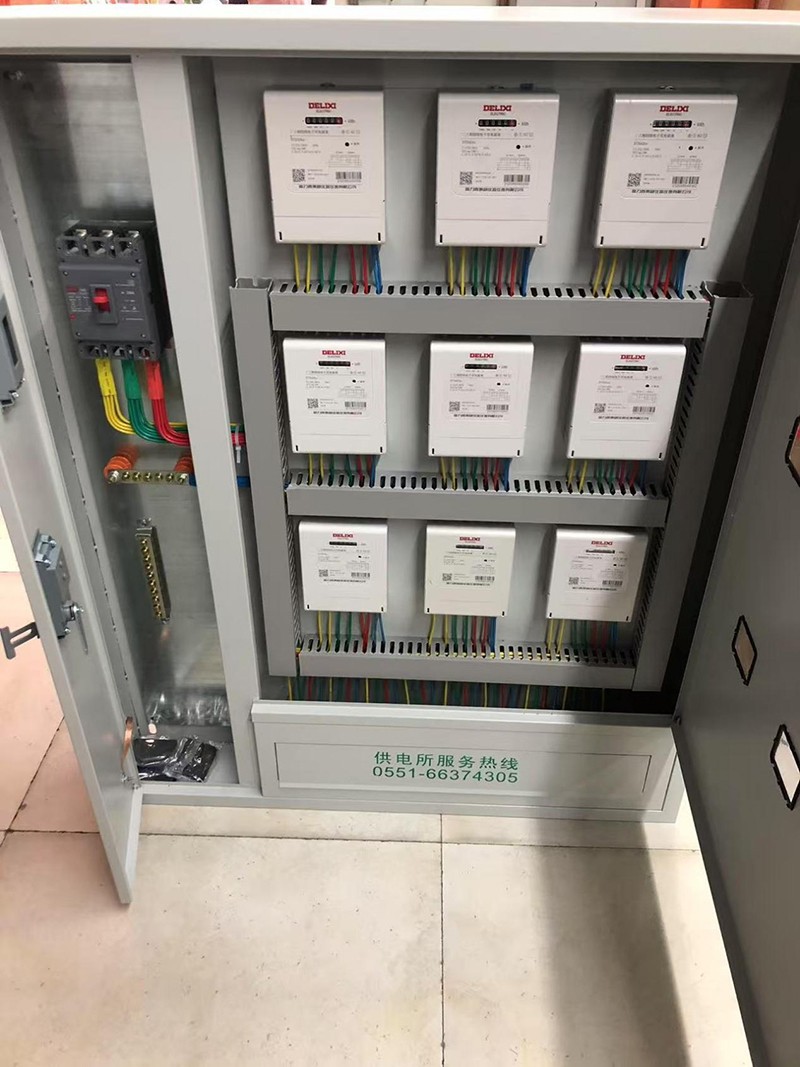
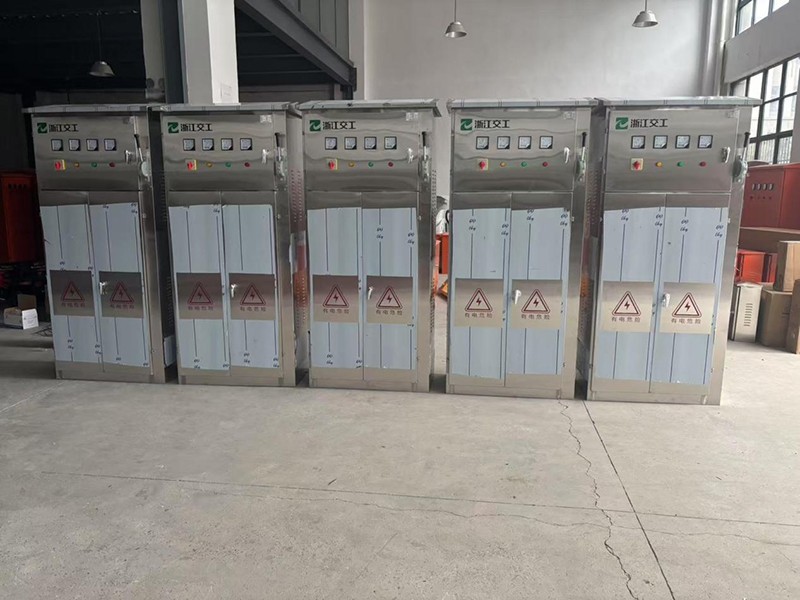
If you're in the market for an emergency power distribution box and want to learn more about our corrosion - prevention solutions, feel free to reach out. We're here to help you find the best product for your needs. You can check out our Distro Power Box, Metering Distribution Box, and Outdoor Distribution Panel for more information.
References
- "Corrosion Prevention in Electrical Equipment" - Electrical Engineering Journal
- "Materials for Power Distribution Boxes" - Material Science Review
Send Inquiry