

What are the shock - proof measures for a Low - Voltage Distribution Cabinet?
Oct 28, 2026
Leave a message
As a supplier of Low-Voltage Distribution Cabinets, I've seen firsthand the importance of shock-proof measures. These cabinets play a crucial role in electrical systems, distributing power safely and efficiently. But electrical shocks can pose a significant risk, not just to the equipment but also to the people working around it. So, let's dive into what shock-proof measures we can take for a Low-Voltage Distribution Cabinet.
1. Proper Grounding
Grounding is the first line of defense against electrical shocks. It provides a path for electrical current to flow safely into the ground in case of a fault. In a Low-Voltage Distribution Cabinet, all metal parts, including the cabinet enclosure, busbars, and electrical components, should be properly grounded.
We use high-quality grounding conductors that are sized according to the electrical load of the cabinet. The grounding system should be regularly inspected to ensure that there are no loose connections or corrosion. A good grounding system can prevent the build-up of static electricity and divert fault currents away from people and equipment.
2. Insulation Materials
Using the right insulation materials is essential. The electrical components inside the Low-Voltage Distribution Cabinet, such as circuit breakers, fuses, and cables, should be well-insulated. Insulation materials prevent the flow of electrical current through unintended paths, reducing the risk of shocks.
We choose insulation materials with high dielectric strength and good thermal stability. For example, we use PVC (Polyvinyl Chloride) and XLPE (Cross-Linked Polyethylene) for cable insulation. These materials can withstand high voltages and temperature variations, ensuring long-term reliability.
3. Circuit Protection Devices
Circuit protection devices like circuit breakers and fuses are vital for shock prevention. Circuit breakers automatically trip when there is an overload or short circuit, cutting off the electrical supply. Fuses, on the other hand, melt and break the circuit when the current exceeds a certain value.

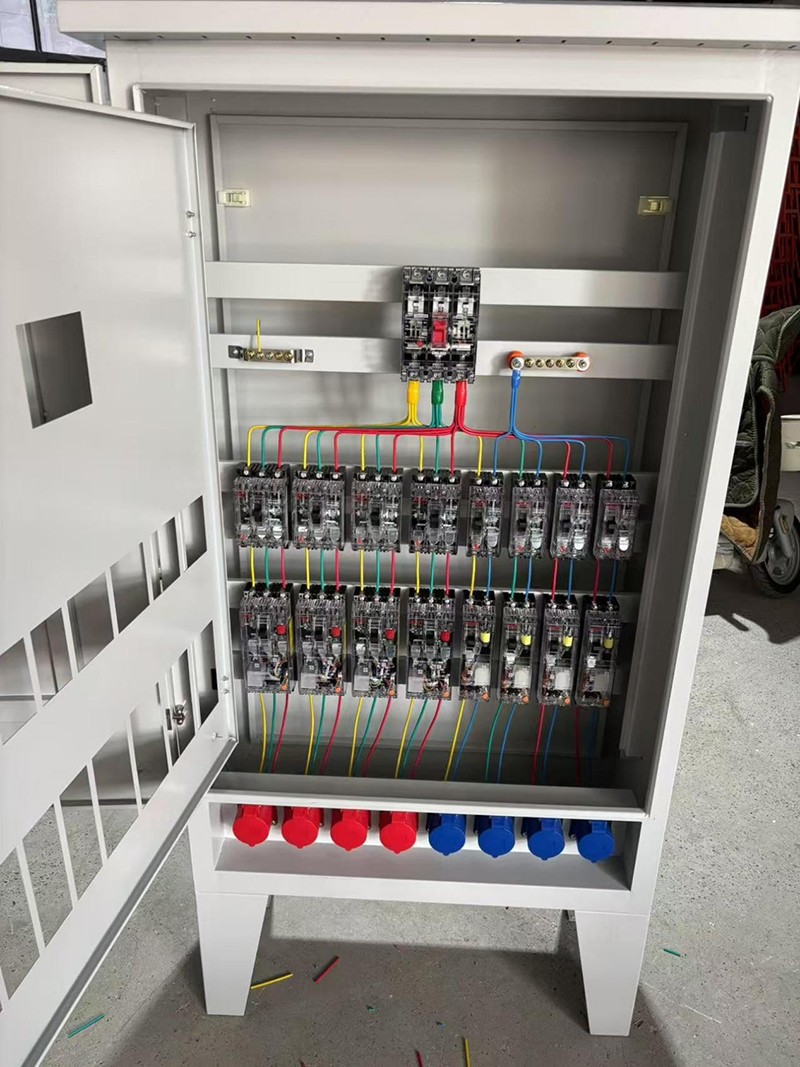
We install high-quality circuit protection devices in our Low-Voltage Distribution Cabinets. These devices are designed to respond quickly to faults, minimizing the time that electrical current is flowing through a faulty circuit. Regular testing and maintenance of these devices are also necessary to ensure they are working properly.
4. Enclosure Design
The design of the cabinet enclosure plays a significant role in shock prevention. The enclosure should be made of non-conductive materials or have a proper coating to prevent electrical conduction. It should also be sealed to prevent dust, moisture, and foreign objects from entering the cabinet.
Our Low-Voltage Distribution Cabinets have a robust enclosure design. They are made of high-strength steel with a powder-coated finish. The doors are equipped with interlocks that prevent them from being opened when the cabinet is energized. This helps to protect the operators from accidental contact with live parts.
5. Safety Labels and Signage
Clear safety labels and signage are important for shock prevention. They provide information about the electrical hazards and the proper operating procedures. Labels should be placed on the cabinet doors, electrical components, and any other areas where there is a risk of electrical shock.
We ensure that our Low-Voltage Distribution Cabinets are clearly labeled with safety information. The labels are in a language that is easily understandable by the operators. This helps to raise awareness about the potential risks and promotes safe operating practices.
6. Regular Maintenance and Inspection
Regular maintenance and inspection are crucial for ensuring the shock-proof performance of a Low-Voltage Distribution Cabinet. During maintenance, we check for any signs of wear and tear, loose connections, or insulation damage. We also test the circuit protection devices to make sure they are functioning correctly.
We recommend that our customers schedule regular maintenance and inspection of their Low-Voltage Distribution Cabinets. This helps to identify and address any potential problems before they become serious.
7. Operator Training
Proper operator training is essential for shock prevention. Operators should be trained on the safe operating procedures, the use of personal protective equipment (PPE), and the importance of following safety regulations.
We provide training to our customers on the installation, operation, and maintenance of our Low-Voltage Distribution Cabinets. This helps to ensure that the operators are aware of the potential risks and know how to handle the equipment safely.
8. Use of Personal Protective Equipment (PPE)
PPE, such as insulated gloves, safety glasses, and protective clothing, should be used when working on or around a Low-Voltage Distribution Cabinet. PPE provides an additional layer of protection against electrical shocks.
We recommend that our customers provide their operators with the appropriate PPE and ensure that they use it correctly. This helps to minimize the risk of injury in case of an electrical accident.
9. Monitoring and Alarm Systems
Monitoring and alarm systems can be installed in a Low-Voltage Distribution Cabinet to detect any abnormal electrical conditions. These systems can alert the operators in case of a fault, allowing them to take immediate action.
We offer monitoring and alarm systems as an optional feature for our Low-Voltage Distribution Cabinets. These systems can monitor parameters such as voltage, current, and temperature, and send alerts via email or SMS.
10. Upgrading and Retrofit
As technology advances, it may be necessary to upgrade or retrofit a Low-Voltage Distribution Cabinet to improve its shock-proof performance. This can include replacing old components with new ones, adding new safety features, or improving the grounding system.
We provide upgrading and retrofit services for our customers. Our team of experts can assess the condition of the cabinet and recommend the appropriate upgrades or retrofits to enhance its safety and reliability.
In conclusion, shock-proof measures for a Low-Voltage Distribution Cabinet are essential for ensuring the safety of people and equipment. By implementing proper grounding, using high-quality insulation materials, installing circuit protection devices, and following other safety practices, we can significantly reduce the risk of electrical shocks.
If you're in the market for a Low-Voltage Distribution Cabinet, Low-Voltage Power Distribution Box, or Temporary Low-Voltage Power Box, don't hesitate to contact us for a detailed discussion. We're here to help you find the best solution for your electrical needs.
References
- Electrical Safety Standards and Guidelines
- Manufacturer's Manuals for Low-Voltage Distribution Cabinets
- Industry Best Practices for Electrical Safety
Send Inquiry