

Can a functional distribution box be used in a building automation system?
Oct 22, 2026
Leave a message
Hey there! As a supplier of functional distribution boxes, I often get asked if these nifty devices can be used in building automation systems. Well, let's dive right into it and find out.
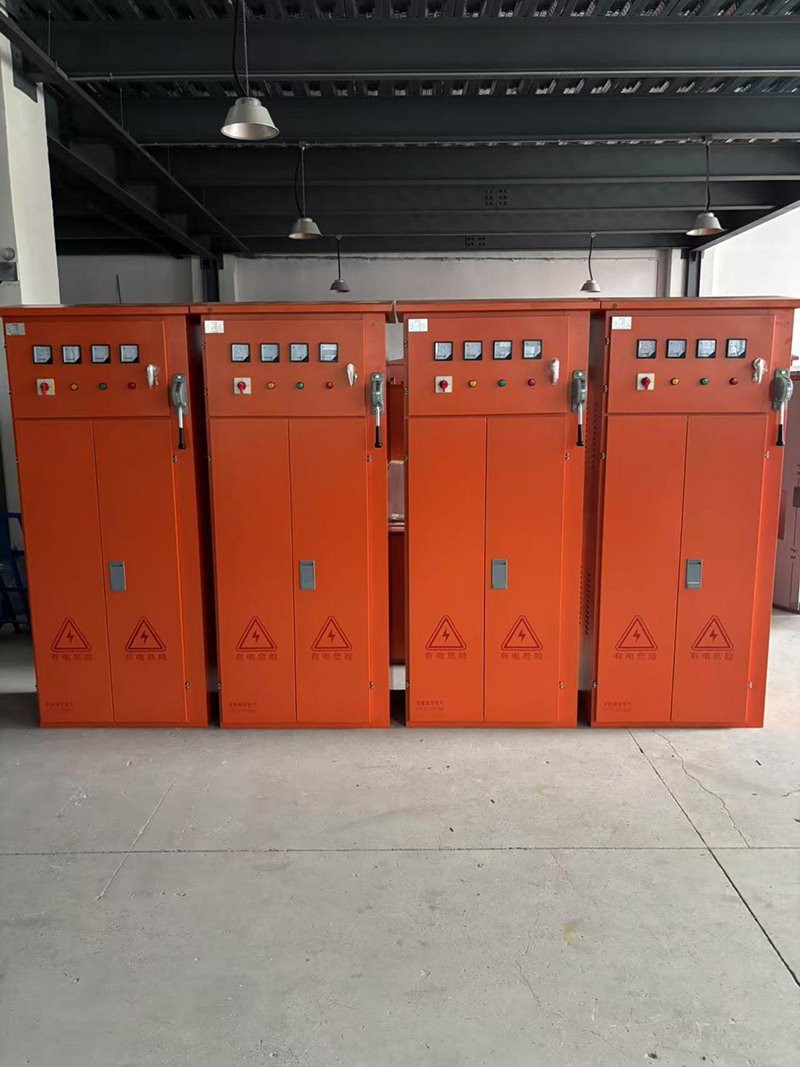
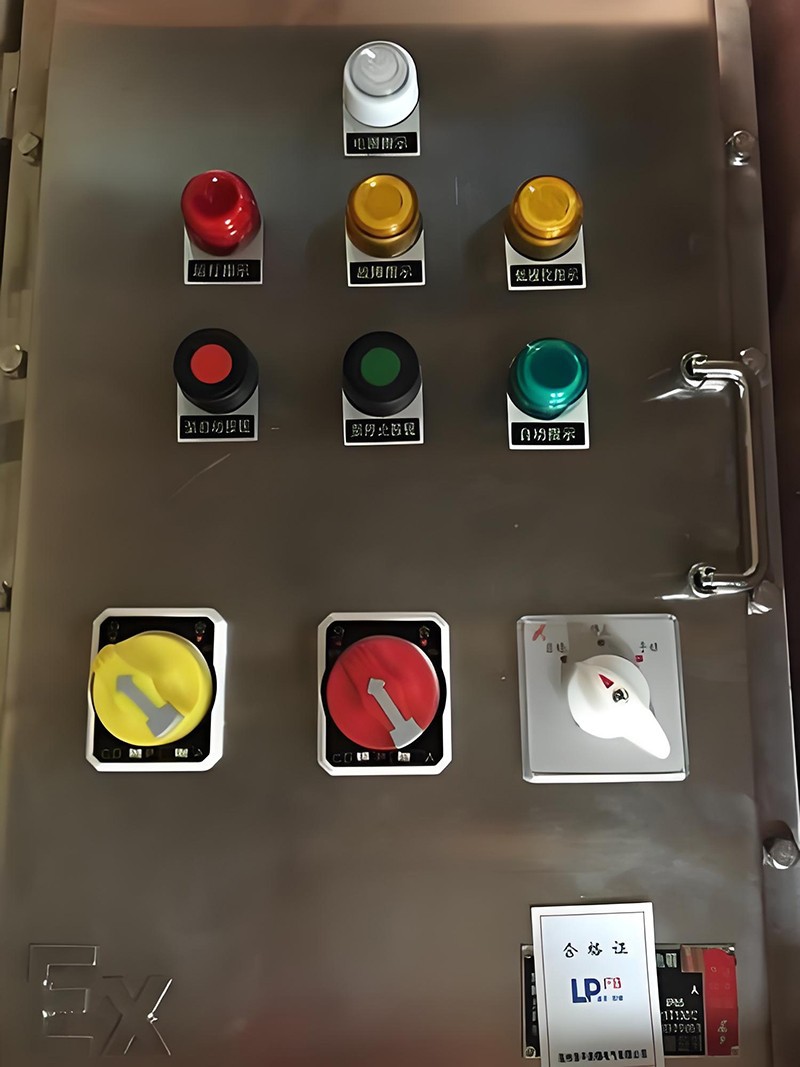
First off, what exactly is a functional distribution box? It's a piece of equipment that distributes electrical power to different parts of a building or a system. It comes in various types, each designed for specific functions. For example, we have the Explosion-Proof Distribution Box, which is perfect for environments where there's a risk of explosion, like chemical plants or oil refineries. Then there's the Emergency Power Distribution Box, which kicks in when the main power supply fails, ensuring that critical systems keep running. And don't forget the Construction Site Temporary Power Box, which provides a safe and reliable power source during construction projects.
Now, let's talk about building automation systems. These are systems that control and monitor various building functions, such as lighting, heating, ventilation, and air conditioning (HVAC). They use sensors, controllers, and software to automate these functions, making buildings more energy-efficient, comfortable, and secure.
So, can a functional distribution box be used in a building automation system? The answer is a resounding yes! In fact, functional distribution boxes play a crucial role in building automation systems. Here's how:
Power Distribution
One of the primary functions of a functional distribution box is to distribute electrical power to different parts of a building. In a building automation system, this is essential because it ensures that all the components of the system, such as sensors, controllers, and actuators, receive the power they need to operate. Without a reliable power supply, the building automation system would not be able to function properly.
Circuit Protection
Functional distribution boxes also provide circuit protection. They are equipped with circuit breakers and fuses that protect the electrical circuits from overloading and short circuits. In a building automation system, this is important because it helps prevent damage to the components of the system and reduces the risk of electrical fires.
Control and Monitoring
Many functional distribution boxes are designed to be integrated with building automation systems. They can be connected to the system's network, allowing for remote control and monitoring of the electrical circuits. This means that building managers can easily turn on or off the power to different parts of the building, monitor the energy consumption, and detect any faults or abnormalities in the electrical system.
Customization
Functional distribution boxes can be customized to meet the specific needs of a building automation system. For example, they can be designed to include additional features, such as surge protection, power metering, and communication interfaces. This allows building managers to tailor the distribution box to their specific requirements and ensure that it integrates seamlessly with the building automation system.
Safety
Safety is always a top priority in any building, and functional distribution boxes play an important role in ensuring the safety of the electrical system. They are designed to meet strict safety standards and regulations, and they are tested and certified to ensure that they are safe to use. In a building automation system, this is especially important because it helps protect the building occupants and the equipment from electrical hazards.
Energy Efficiency
Functional distribution boxes can also help improve the energy efficiency of a building. By providing precise control over the electrical circuits, they can help reduce energy consumption and lower the building's operating costs. For example, they can be programmed to turn off the power to non-essential equipment during off-peak hours, or they can be used to adjust the lighting levels based on the occupancy of the building.
Flexibility
Functional distribution boxes are highly flexible and can be used in a variety of applications. They can be used in commercial buildings, industrial facilities, residential buildings, and even in outdoor environments. This makes them a versatile solution for building automation systems, as they can be easily adapted to different types of buildings and systems.
Cost-Effectiveness
Finally, functional distribution boxes are a cost-effective solution for building automation systems. They are relatively inexpensive compared to other components of the system, and they can help reduce the overall cost of the system by improving energy efficiency and reducing maintenance requirements.
In conclusion, functional distribution boxes are an essential component of building automation systems. They provide reliable power distribution, circuit protection, control and monitoring, customization, safety, energy efficiency, flexibility, and cost-effectiveness. If you're looking to implement a building automation system in your building, I highly recommend considering using a functional distribution box.
If you're interested in learning more about our functional distribution boxes or if you have any questions, please feel free to contact us. We'd be happy to discuss your specific requirements and help you choose the right distribution box for your building automation system.
References
- Electrical Engineering Handbook, Third Edition
- Building Automation Systems: A Guide to Design and Implementation
Send Inquiry