

How to customize a distribution cabinet?
Oct 20, 2026
Leave a message
Hey there! As a distribution cabinet supplier, I've seen firsthand the importance of customizing these cabinets to meet specific needs. In this blog, I'll walk you through the process of customizing a distribution cabinet, sharing some tips and insights along the way.
Understanding Your Requirements
The first step in customizing a distribution cabinet is to understand your requirements. This involves considering factors such as the type of electrical equipment you'll be using, the power capacity needed, the environmental conditions, and any specific safety or regulatory requirements.
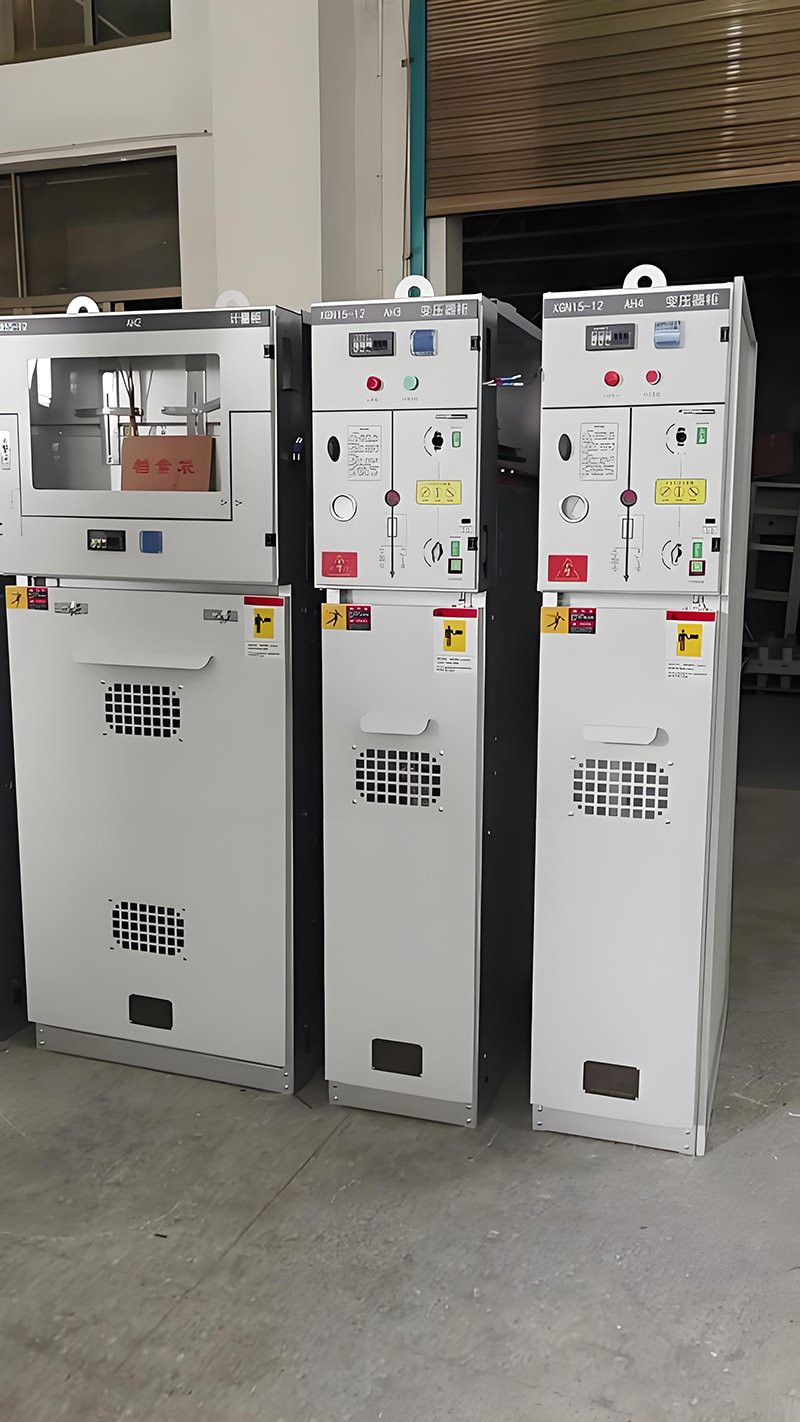

For example, if you're looking for a Low-Voltage Lighting Distribution Box, you'll need to determine the number of circuits, the amperage rating, and the type of lighting fixtures you'll be connecting. On the other hand, if you're in need of a High-Voltage Metering Cabinet, you'll have to consider factors like the voltage level, the metering accuracy, and the protection requirements.
Designing the Cabinet
Once you have a clear understanding of your requirements, it's time to start designing the cabinet. This includes choosing the right size, shape, and material for the cabinet, as well as determining the layout of the electrical components.
The size of the cabinet will depend on the number and size of the electrical components you'll be installing. You'll need to ensure that there's enough space for proper ventilation and easy access to the components for maintenance and repairs. The shape of the cabinet can also be customized to fit the available space and the specific requirements of your installation.
When it comes to the material, you have several options to choose from, including steel, aluminum, and fiberglass. Each material has its own advantages and disadvantages, so you'll need to consider factors such as durability, corrosion resistance, and cost.
The layout of the electrical components is also crucial for the proper functioning of the cabinet. You'll need to arrange the components in a logical and organized manner, ensuring that there's enough clearance between them to prevent overheating and short circuits. You may also want to consider adding features such as removable panels, cable management systems, and labeling to make the cabinet more user-friendly.
Selecting the Electrical Components
After designing the cabinet, the next step is to select the electrical components. This includes circuit breakers, fuses, switches, relays, and other devices that are used to control and protect the electrical system.
When selecting the electrical components, you'll need to consider factors such as the voltage rating, the current capacity, the type of protection, and the compatibility with the other components in the system. You'll also want to choose components that are reliable, durable, and easy to maintain.
It's important to note that the selection of the electrical components should be based on the specific requirements of your application. For example, if you're using the cabinet in a high-temperature environment, you'll need to choose components that are designed to operate at high temperatures. Similarly, if you're using the cabinet in a hazardous location, you'll need to choose components that are approved for use in such environments.
Customizing the Cabinet Features
In addition to the design and the selection of the electrical components, you can also customize the cabinet features to meet your specific needs. This includes adding features such as locks, hinges, handles, and ventilation systems.
Locks can be used to secure the cabinet and prevent unauthorized access. Hinges and handles can be used to make the cabinet easy to open and close. Ventilation systems can be used to ensure proper air circulation and prevent overheating.
You may also want to consider adding features such as monitoring systems, alarms, and remote control capabilities. These features can help you to monitor the performance of the cabinet and take appropriate action in case of any problems.
Testing and Commissioning
Once the cabinet has been customized and the electrical components have been installed, it's time to test and commission the cabinet. This involves performing a series of tests to ensure that the cabinet is functioning properly and that all the electrical components are working as expected.
The testing process may include tests such as insulation resistance testing, continuity testing, and functional testing. These tests can help you to identify any potential problems and make the necessary adjustments before the cabinet is put into service.
After the testing is complete, the cabinet can be commissioned. This involves connecting the cabinet to the electrical system and verifying that it's operating correctly. You may also want to provide training to the users on how to operate and maintain the cabinet.
Maintenance and Support
Finally, it's important to provide ongoing maintenance and support for the customized distribution cabinet. This includes regular inspections, cleaning, and testing to ensure that the cabinet is functioning properly and that all the electrical components are in good condition.
You may also want to provide technical support to the users in case of any problems or questions. This can help to minimize downtime and ensure that the cabinet is operating at its optimal performance.
Conclusion
Customizing a distribution cabinet is a complex process that requires careful planning, design, and selection of the electrical components. By following the steps outlined in this blog, you can ensure that your customized distribution cabinet meets your specific needs and provides reliable and efficient performance.
If you're interested in customizing a distribution cabinet for your application, please don't hesitate to contact us. We have a team of experienced engineers and technicians who can help you to design and build the perfect cabinet for your needs.
References
- Electrical Installation Handbook, Schneider Electric
- National Electrical Code (NEC), National Fire Protection Association (NFPA)
- International Electrotechnical Commission (IEC) Standards
Send Inquiry