

How to monitor the insulation resistance of a High - Voltage Incoming Cabinet?
Aug 13, 2026
Leave a message
Hey there! I'm a supplier of High-Voltage Incoming Cabinets, and today I'm gonna share with you how to monitor the insulation resistance of these cabinets. It's crucial for the safety and proper operation of high-voltage systems, so let's dive right in.
Why Monitoring Insulation Resistance Matters
Before we get into the how-to part, let's talk about why it's so important to monitor the insulation resistance of a High-Voltage Incoming Cabinet. The insulation in these cabinets is like a protective shield. It prevents electrical current from leaking out and causing short circuits, electrical fires, or even endangering the lives of people working around the equipment.
Over time, the insulation can degrade due to various factors such as moisture, heat, mechanical stress, and chemical exposure. If the insulation resistance drops below a certain level, it indicates that the insulation is compromised, and there's a higher risk of electrical problems. By regularly monitoring the insulation resistance, we can detect early signs of insulation degradation and take preventive measures before a major failure occurs.
Tools and Equipment Needed
To monitor the insulation resistance of a High-Voltage Incoming Cabinet, you'll need a few essential tools and equipment:
- Insulation Resistance Tester: This is the main tool for measuring the insulation resistance. Make sure to choose a tester that is suitable for high-voltage applications and has the appropriate measurement range.
- Safety Gear: Since you'll be working with high-voltage equipment, it's crucial to wear proper safety gear, including insulated gloves, safety glasses, and a safety helmet.
- Ladder or Platform: Depending on the location of the cabinet, you may need a ladder or platform to access the testing points.
Step-by-Step Guide to Monitoring Insulation Resistance
Now, let's go through the step-by-step process of monitoring the insulation resistance of a High-Voltage Incoming Cabinet:
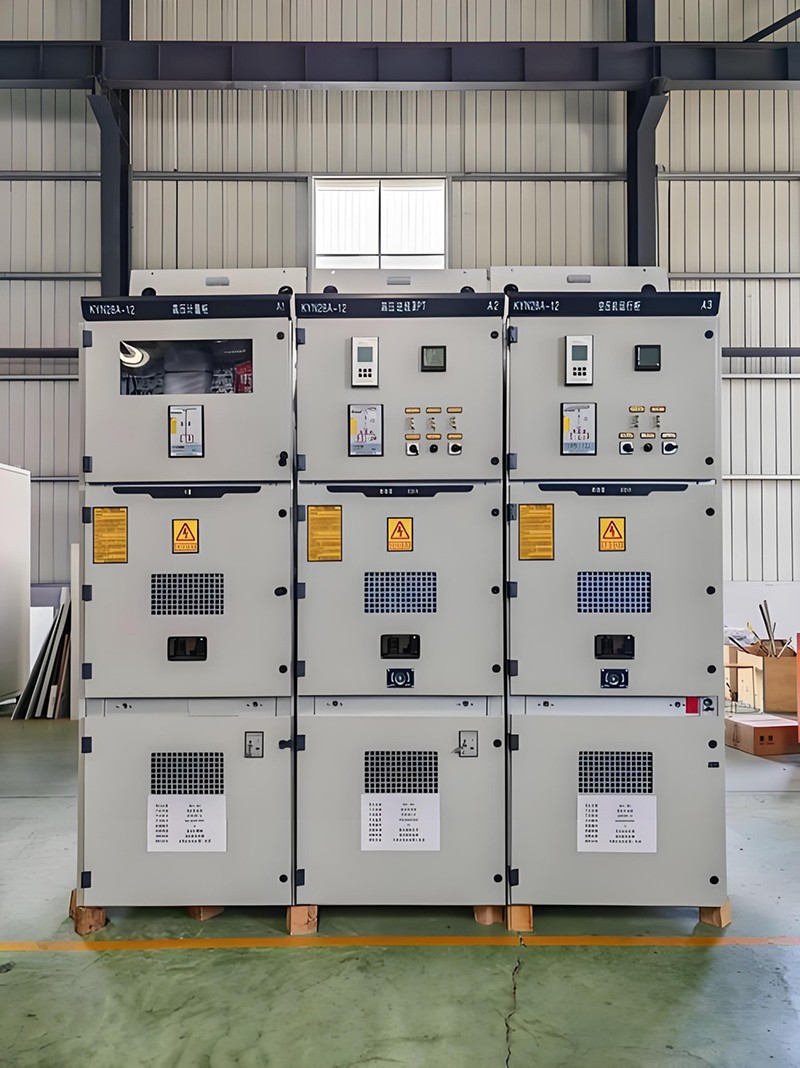
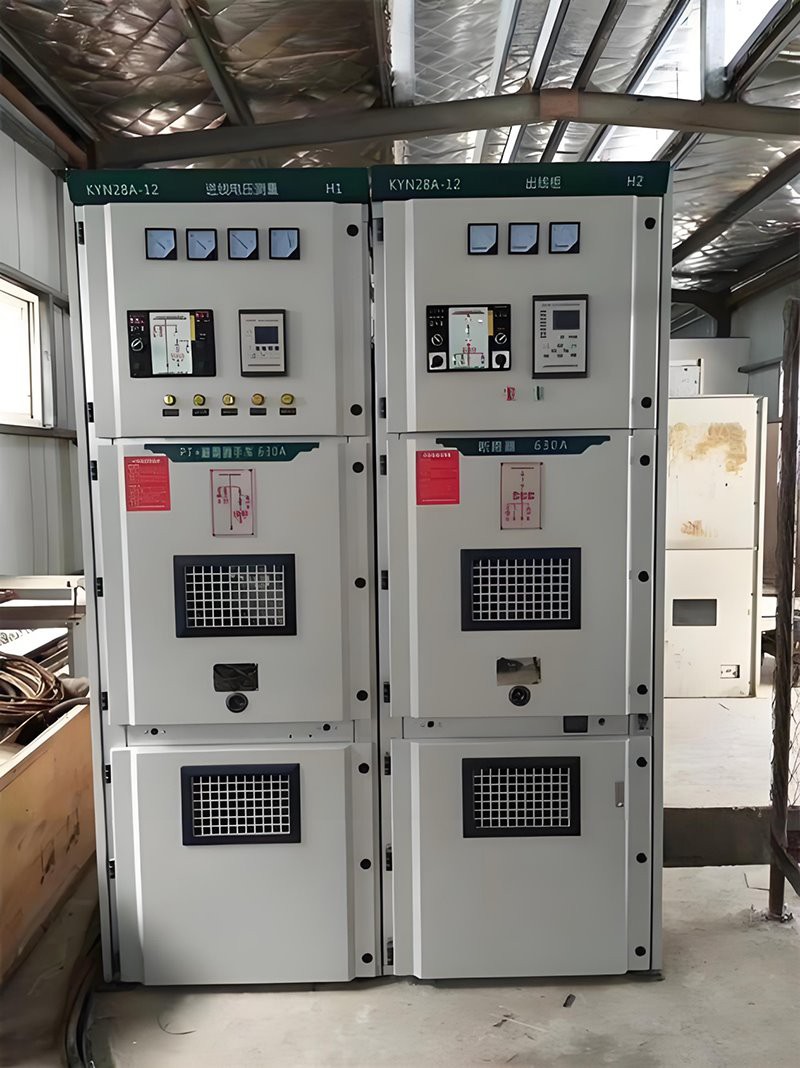
Step 1: Prepare the Cabinet
Before you start testing, make sure the cabinet is de-energized. This means turning off the power supply and locking out the circuit breaker to prevent accidental re-energization. Also, discharge any stored electrical energy in the cabinet by grounding the conductors.
Step 2: Identify the Testing Points
The next step is to identify the testing points on the cabinet. These are usually the terminals or conductors that are connected to the high-voltage components. Make sure to follow the manufacturer's instructions or the electrical schematic of the cabinet to locate the correct testing points.
Step 3: Connect the Insulation Resistance Tester
Once you've identified the testing points, connect the leads of the insulation resistance tester to the appropriate terminals. Make sure the connections are secure and there are no loose wires.
Step 4: Set the Tester
Set the insulation resistance tester to the appropriate measurement range. Most testers have a range selector that allows you to choose the appropriate voltage and resistance range. Make sure to select the correct range based on the specifications of the cabinet.
Step 5: Take the Measurement
Once the tester is set, press the test button to take the measurement. The tester will apply a test voltage to the insulation and measure the resulting current. The insulation resistance is then calculated based on Ohm's law (R = V/I).
Step 6: Record the Results
Record the measured insulation resistance value in a logbook or a digital spreadsheet. Make sure to include the date, time, location, and any other relevant information. This will help you track the insulation resistance over time and identify any trends or changes.
Step 7: Analyze the Results
After taking the measurement, analyze the results to determine if the insulation resistance is within the acceptable range. The acceptable range of insulation resistance depends on the type of equipment, the voltage level, and the environmental conditions. Generally, a higher insulation resistance value indicates better insulation quality.
If the measured insulation resistance is below the acceptable range, it may indicate that the insulation is degraded or damaged. In this case, further investigation is needed to determine the cause of the problem and take appropriate corrective actions.
Tips for Accurate Measurement
To ensure accurate measurement of the insulation resistance, here are some tips to keep in mind:
- Clean the Testing Points: Make sure the testing points are clean and free of dirt, dust, or moisture. This will help ensure a good electrical connection and accurate measurement.
- Avoid External Interference: Keep the testing area away from sources of electromagnetic interference, such as motors, generators, or power lines. This will help reduce the noise and improve the accuracy of the measurement.
- Take Multiple Measurements: To increase the accuracy of the measurement, take multiple measurements at different points on the cabinet and average the results. This will help reduce the effects of any local variations in the insulation resistance.
- Follow the Manufacturer's Instructions: Make sure to follow the manufacturer's instructions for the insulation resistance tester and the High-Voltage Incoming Cabinet. This will help ensure that the measurement is taken correctly and safely.
Conclusion
Monitoring the insulation resistance of a High-Voltage Incoming Cabinet is an important part of maintaining the safety and reliability of high-voltage systems. By following the steps outlined in this blog post and using the right tools and equipment, you can ensure that the insulation in your cabinets is in good condition and prevent electrical problems from occurring.
If you're in the market for a High-Voltage Incoming Cabinet or need more information about insulation resistance monitoring, feel free to contact us for a consultation. We're here to help you find the right solution for your needs.
References
- Electrical Safety Standards and Guidelines
- Manufacturer's Manuals for High-Voltage Incoming Cabinets
- Insulation Resistance Tester User Manuals
Send Inquiry